From Fire to Comfort Food: Iran’s Winter Festivals and the Flavors That Warm the Soul
Winter in Iranian culture is not merely a season of cold and quiet—it is a time of celebration, storytelling, firelight, and deeply comforting food. While Yalda Night, the longest night of the year, is the most widely known winter celebration, it is only the beginning of a rich seasonal tapestry. Ancient Iranian winter festivals were created to bring people together, honor nature, and invite warmth and hope into the darkest days of the year—always with a generous table at the center.
Sadeh: A Celebration of Fire and Light
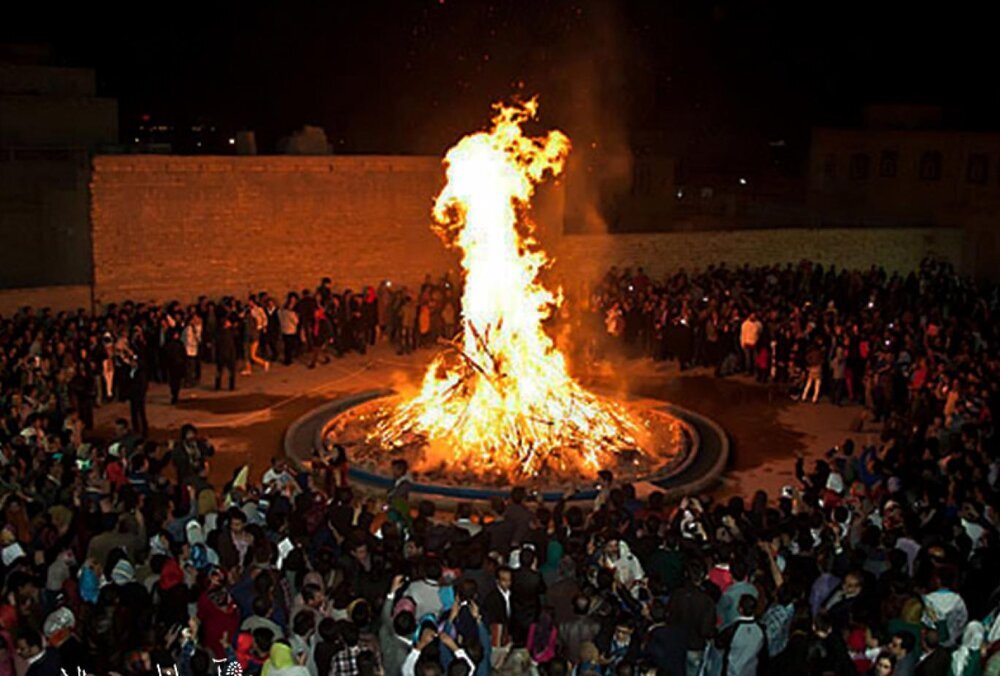
Held in late January or early February, Sadeh is one of Iran’s oldest festivals, centered on fire as a symbol of light, life, and resilience. Historically, communities gathered outdoors to build large bonfires, sing, and share stories—welcoming warmth as winter reached its coldest point.
The food of Sadeh was intentionally simple and nourishing: hearty winter soups, rustic breads, roasted grains, and dried fruits. These dishes reflected gratitude for sustenance and the human instinct to gather, cook, and endure together. Today, Sadeh is still celebrated, especially among Zoroastrian communities, as a powerful reminder of light triumphing over darkness.
Bahmangan: Mindful Eating and Plant-Based Traditions
Celebrated in early winter, Bahmangan honors Vohu Manah—the spirit of good thought, kindness, and compassion toward animals. On this day, people traditionally avoided meat and focused on plant-based meals, making it one of the earliest examples of intentional, ethical eating.
Tables were set with vegetarian stews, lentil and bean dishes, fresh herbs, and simple flatbreads. More than a feast, Bahmangan was about mindfulness—eating with care, respecting nature, and aligning daily habits with values. For a modern audience, it feels remarkably current.
Chaharshanbe Suri: Fire, Joy, and Shared Treats
As winter draws to a close, Chaharshanbe Suri lights up the night sky. Celebrated on the final Tuesday evening before the Persian New Year, this festival is filled with jumping over flames, laughter, and music—symbolizing release, renewal, and rebirth.
Food plays a joyful role: mixed nuts known as “problem-solving trail mix,” noodle soups, homemade sweets, seeds, and dried fruit. Sharing food with neighbors and friends reinforces community bonds and the spirit of generosity before spring arrives.
The Chilleh Tradition: Quiet Celebrations of Warmth
Beyond formal festivals, Iranians observe the Big and Small Chilleh, periods marking the heart of winter. These moments are often celebrated quietly at home with family, featuring slow-cooked stews, thick soups, herbal teas, and cozy gatherings.
Together, Iran’s winter traditions tell a story of resilience, togetherness, and the power of food to comfort and connect. In a season defined by cold, these ancient celebrations remind us that warmth is something we create—around a fire, at a table, and in each other’s company.
Photo: TEHRAN – Jashn-e Sadeh has been registered on Iran’s National Intangible Cultural Heritage